Available courses

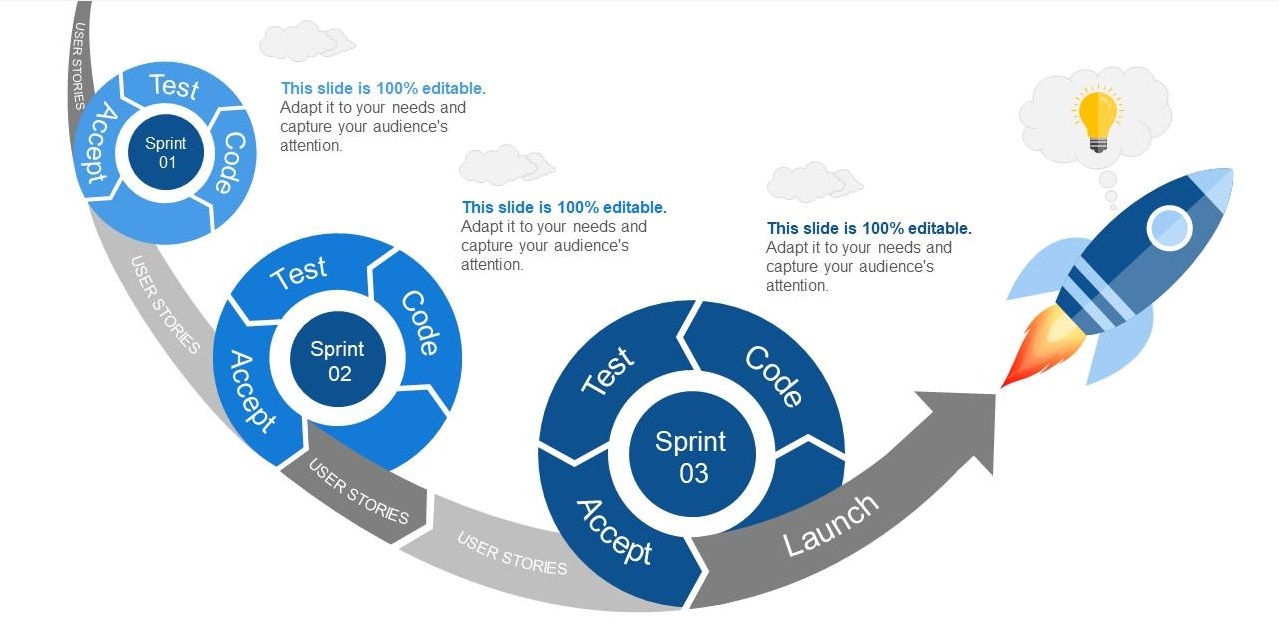
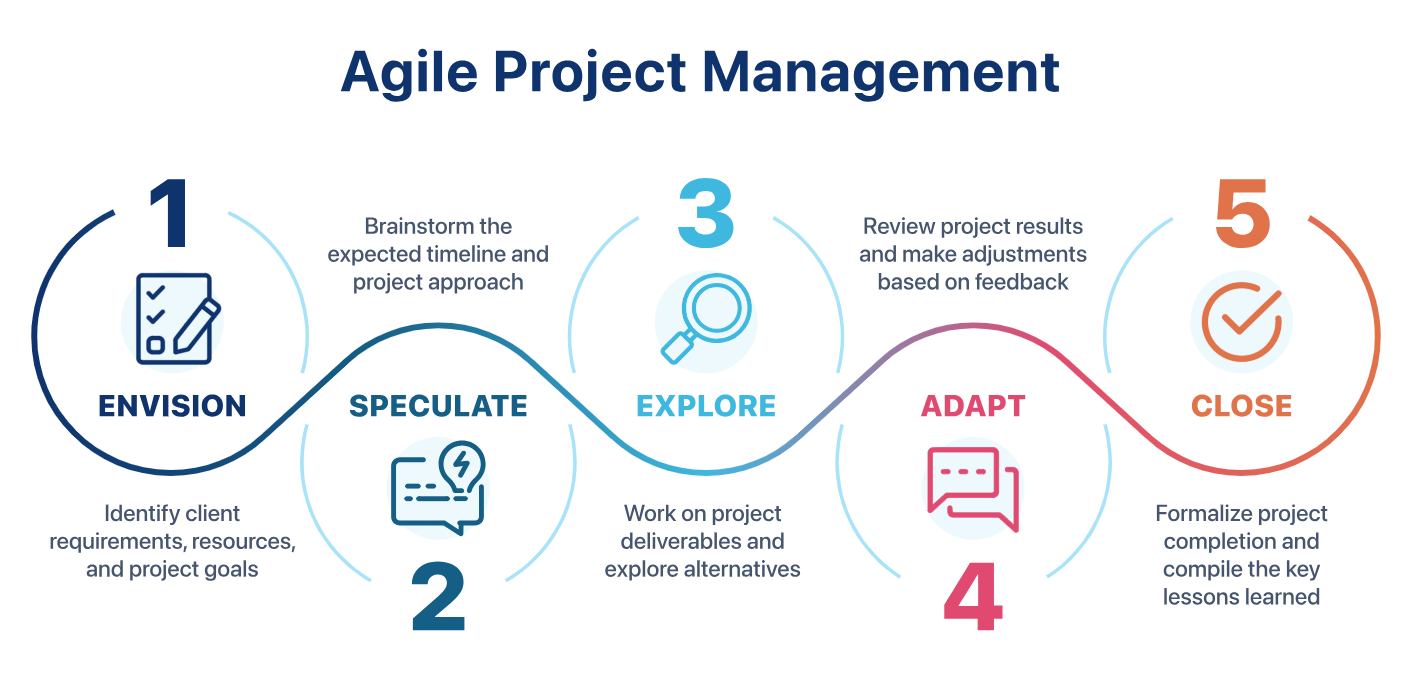
Agile project management is an iterative, value-driven approach that delivers work in small, incremental batches rather than one large delivery at the end. Unlike traditional project management (often called "Waterfall"), which assumes requirements are known upfront and follows a linear path, Agile embraces uncertainty and change.

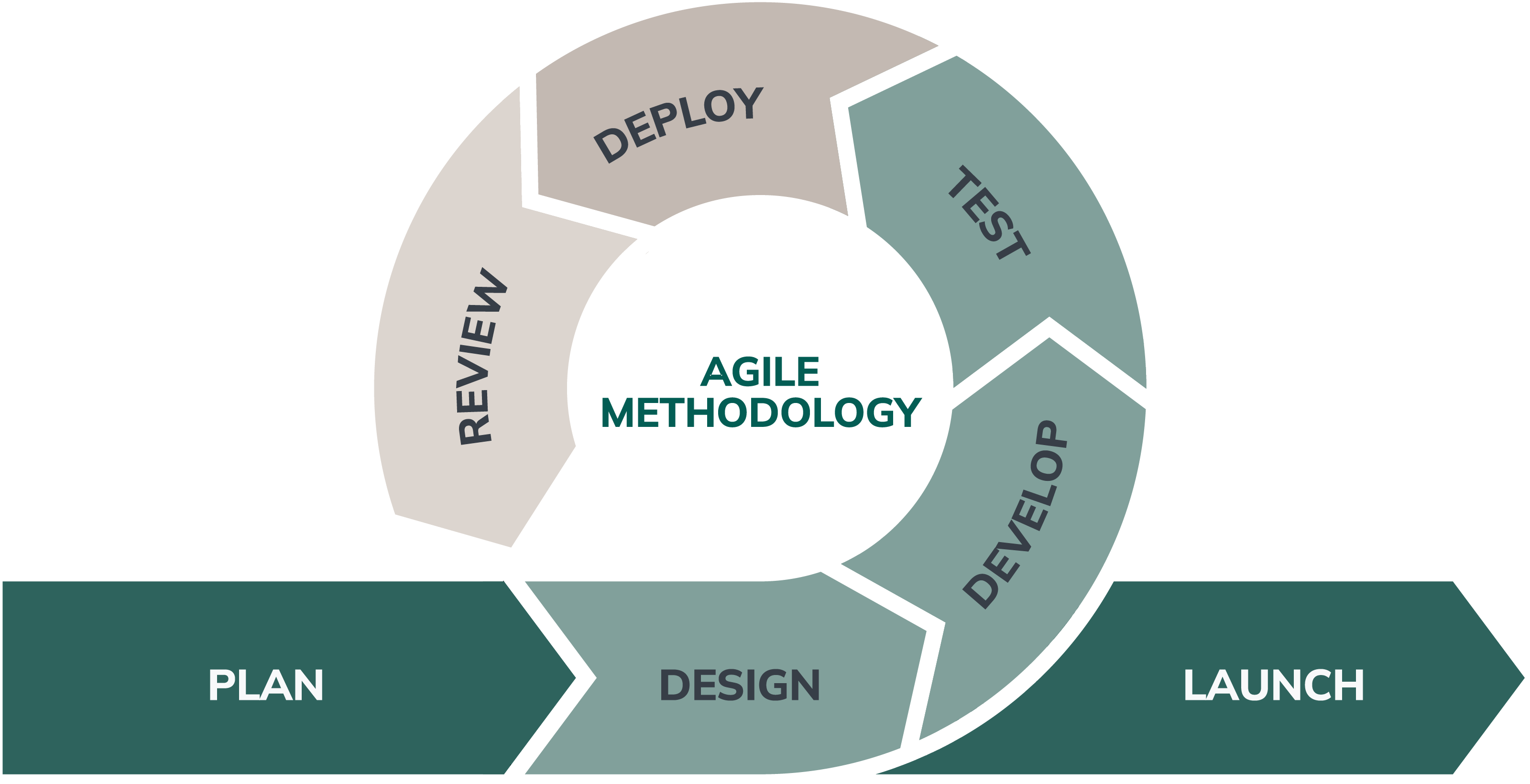
Agile is an iterative methodology delivering value through short development cycles called sprints. It prioritizes individuals, working software, and customer collaboration over rigid processes. Work is driven by user stories—short, value-focused descriptions written from the user's perspective with clear acceptance criteria. Quality is ensured through agile testing, where testing shifts left to occur continuously alongside development rather than at the end. By integrating these practices, teams adapt quickly to change, deliver functional increments frequently, and foster a collaborative environment focused on customer satisfaction.

This course summary defines Agile as an iterative project management and software development methodology that prioritizes customer value, collaboration, and adaptability. Core principles from the Agile Manifesto emphasize individuals, working software, and responding to change. Key frameworks covered include Scrum with its sprints and roles, and Kanban for visualizing workflow. The summary highlights benefits like faster delivery, improved quality, and enhanced team morale, contrasting Agile with traditional waterfall methods to provide a comprehensive understanding of this flexible approach.

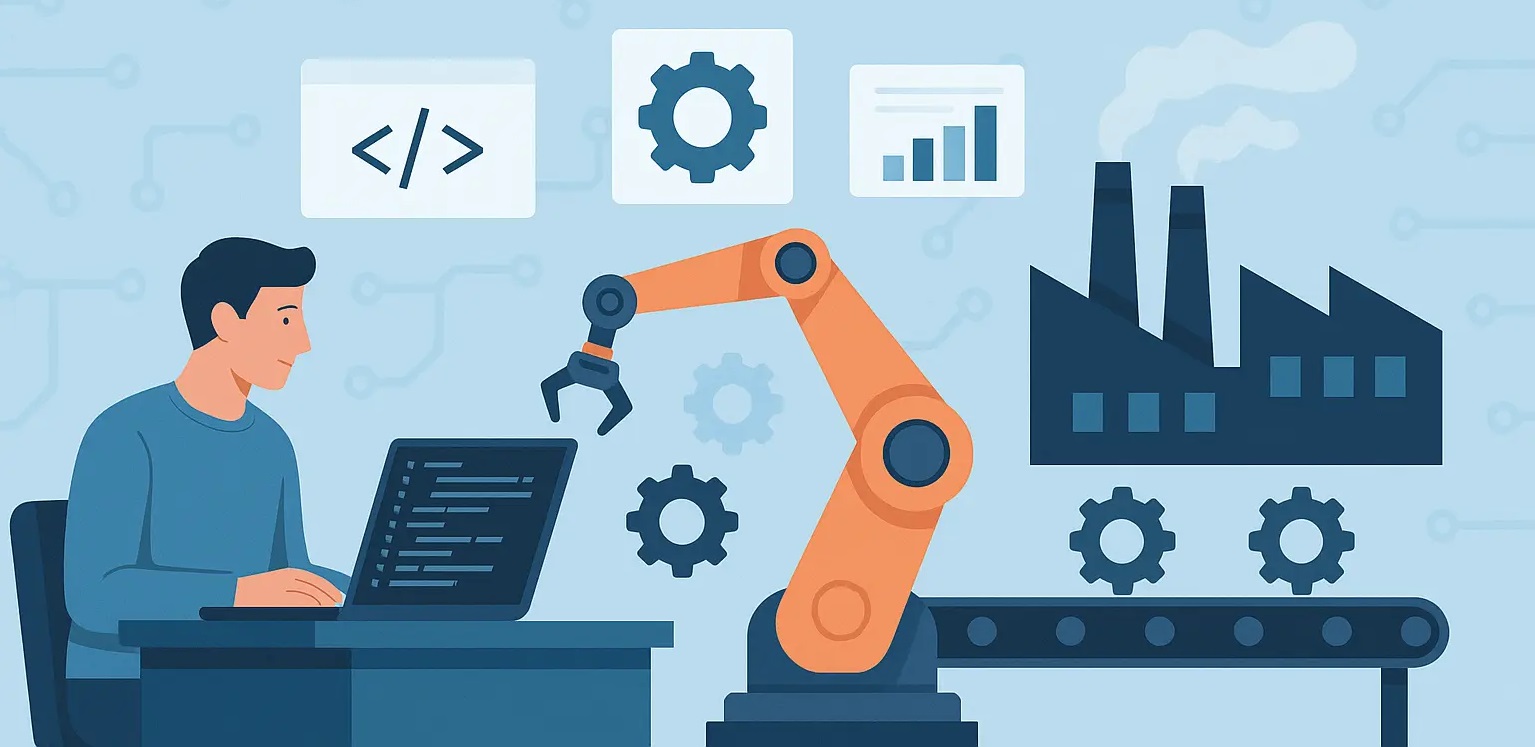
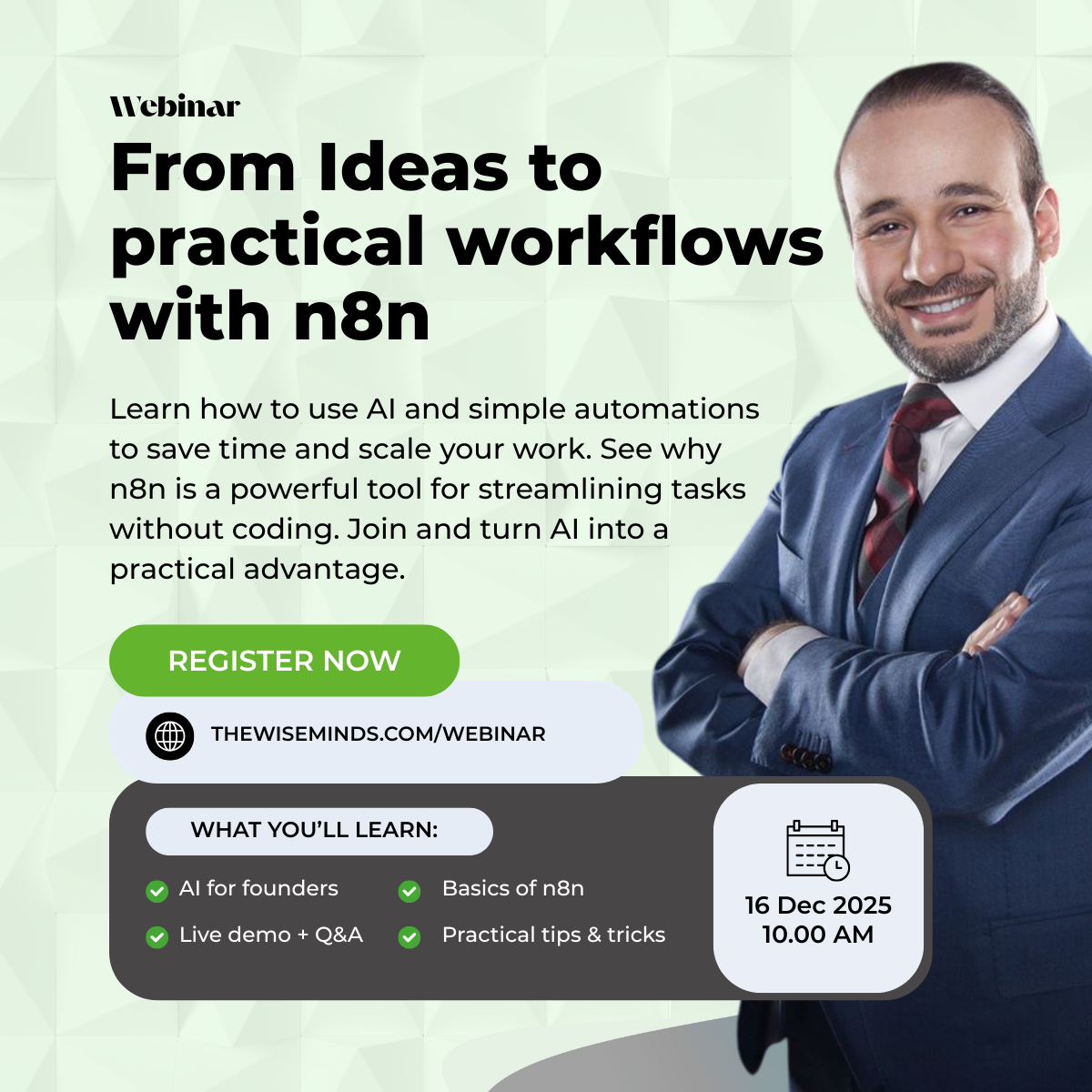
Learn how to use AI and simple automations to save time and scale your work. See why n8n is a powerful tool for streamlining tasks without coding. Join and turn AI into a practical advantage.